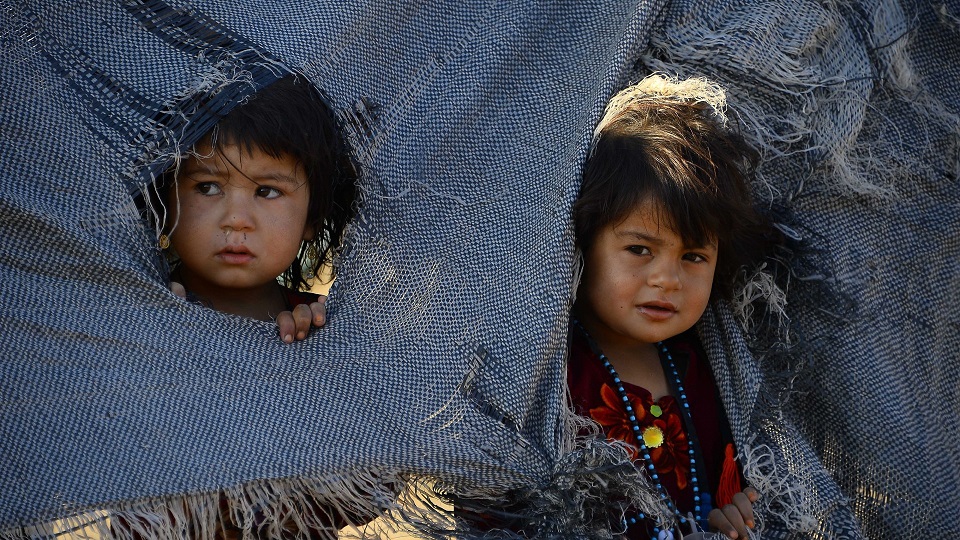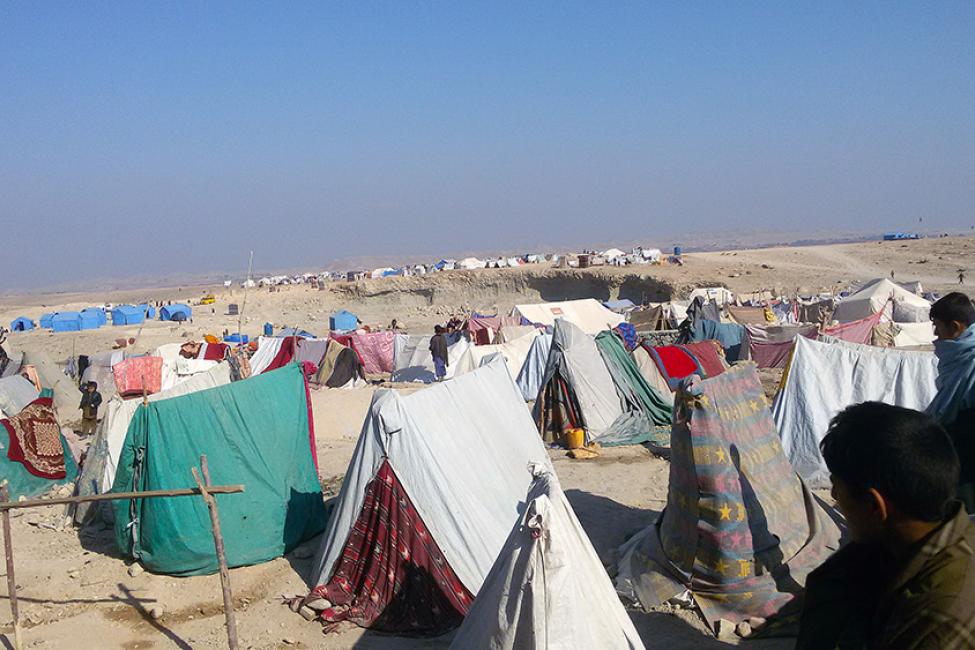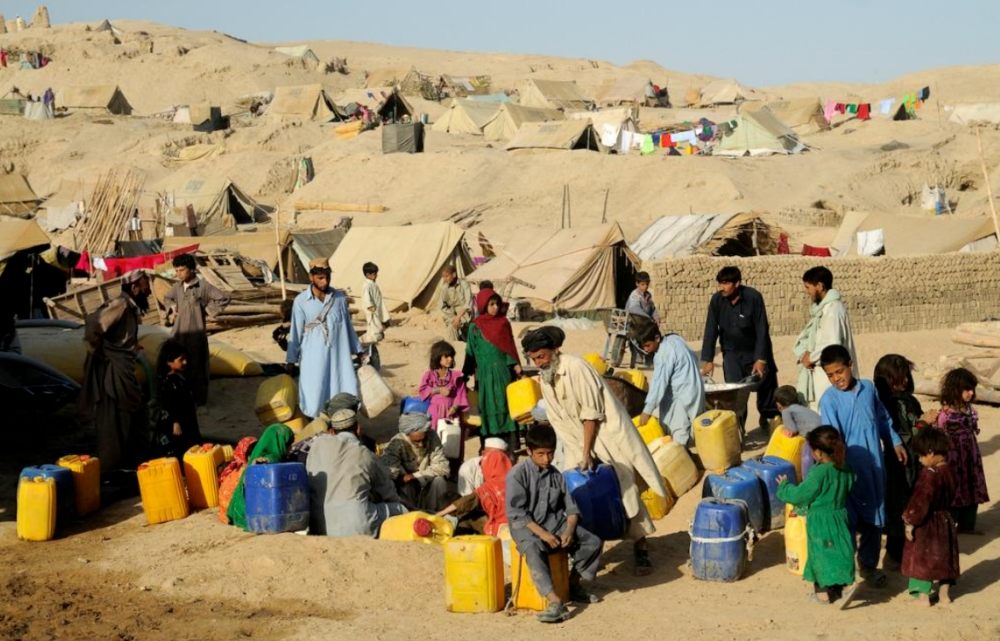
Afghanistan is one of the most vulnerable countries in the world to climate change, and one of the least equipped to handle what’s to come. Experts say drought, flood, avalanches, landslides, extreme weather, mass displacement and conflict, all of which already plague Afghanistan—are set to worsen
Air pollution is one of the main environmental risk factors for increased mortality in Afghanistan, according to WHO estimates. Household air pollution causes approximately 27 000 deaths per year About 3,000 people die every year in the capital due to air pollution-related diseases, according to the report. Illegal housing in Kabul, where approximately 6 million people live, is also regarded as one of the reasons for rising air pollution levels
The major environmental issues today for Afghanistan are soil degradation, air and water pollution, deforestation at an alarming rate, overgrazing, desertification, and over population in its already fragile urban areas.
Afghanistan is prone to earthquakes, with an average of 560 deaths per year. More than 7,000 people have been killed in earthquakes there in the past decade. This was the deadliest earthquake in over two decades.